




Para escuchar a Dios es preciso que nos pongamos en una actitud religiosa del alma. <br /> <span style="color:#007c71"> To listen to God it is necessary to put the soul in a religious attitude. </span>

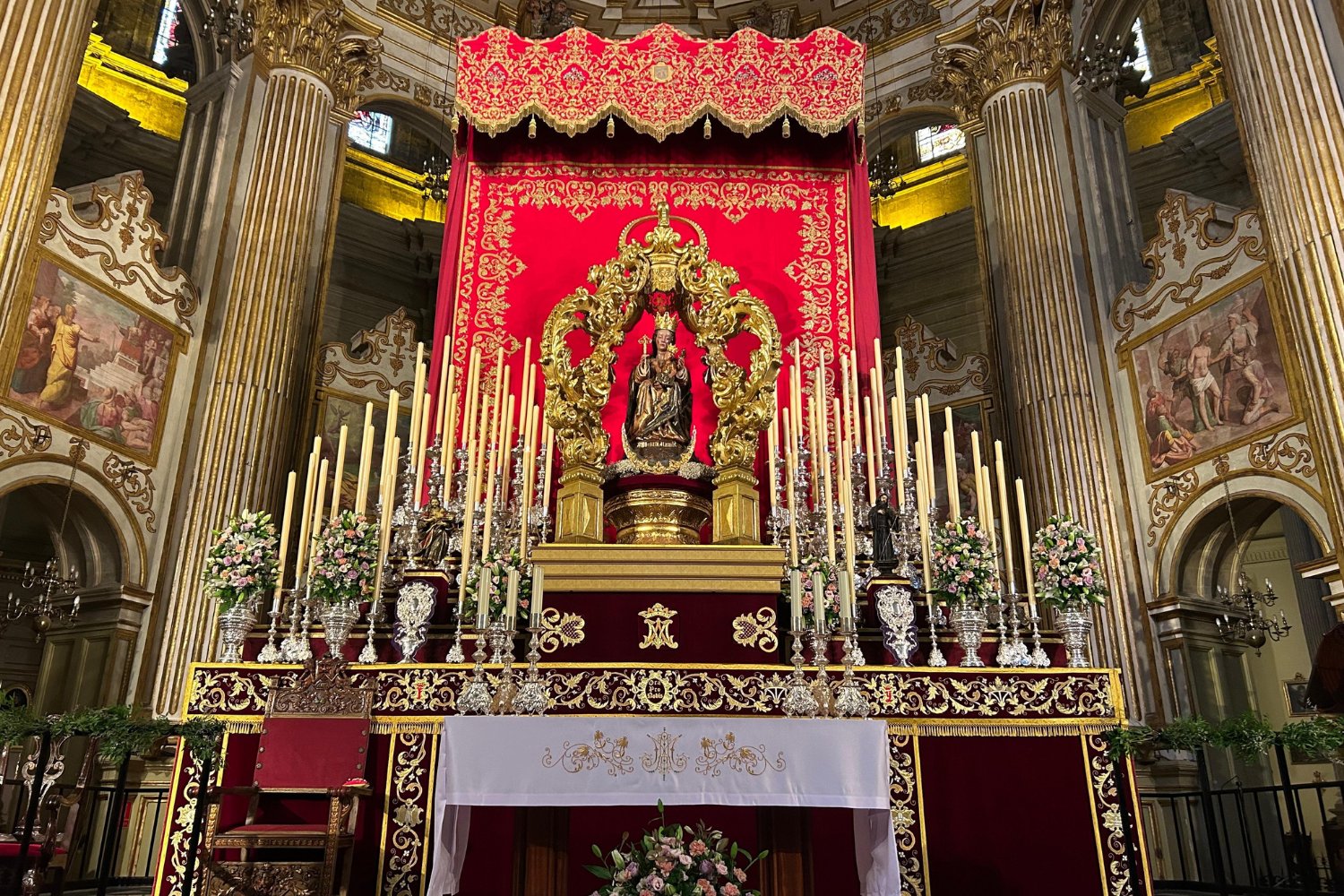
Para ello debemos darnos cuenta de esa presencia amorosa de Dios, o que fijemos nuestra atención en una imagen que nos ayude, o que recordemos algún episodio del Evangelio en el que los protagonistas aparezcan en una actitud como la que nosotros queremos conseguir.
Cuando vamos a hacer oración, vamos a estar con Dios: estamos en su casa. Es cierto que Dios reside en medio de los hombres y que mora en cada uno de ellos. Sin embargo, Dios sigue siendo trascendente a toda criatura y, para conversar con Él y entrar en contacto con Él, es preciso, de toda necesidad, abandonar todo y sobre todo a nosotros mismos, lo que supone que estemos despegados de todo y de nosotros mismos para Dios. Es decir: preferir conscientemente a Dios sobre todo lo demás.
A veces queremos amar a Dios totalmente, pero nos olvidamos de algo que es anterior: conocerle. En nuestra vida no amamos nada de lo que antes no hayamos conocido, y con Dios ocurre igual. La indiferencia y el olvido que tenemos de Dios se explica fácilmente, por nuestra ignorancia sobre Él. Como no conocemos suficientemente a Dios, no lo amamos y, al no amarlo, no aspiramos a la alegría de poseerle.
No podemos pensar en Dios y amarlo sin conocerle. Este conocimiento íntimo lo adquirimos por la fe que nos conduce, a través del descubrimiento de Jesús, hasta el misterio de Dios en tres personas. Este conocimiento de fe es anterior al acto del amor de caridad, y no se puede dar éste sin aquél. Nuestro error consiste en, a menudo, querer ejercer la caridad sin preocuparnos suficientemente de alimentar nuestra fe. Tenemos tendencia a creer que la fe puede existir sin ser alimentada ni ejercida por un esfuerzo activo de nuestras facultades de conocimiento.
No hay posibilidad de educar y mantener la fe sin recurrir a los medios más humildes de conocimiento, ni crecimiento de la fe, sin una serie de hábitos adquiridos por la repetición de la misma. Nutrir nuestra fe y ejercitarla, mediante actos concretos, nos prepara directamente para la oración.
La oración así es la costumbre de mirar a Jesús, de mirar a Dios y de mirar al mundo como Dios lo ve. El objeto donde debemos aplicar los actos de conocimiento para orar de esta manera es únicamente la revelación que Dios nos ha hecho de Él y del mundo.
------
For this we need to become aware of the loving presence of God. We may fix our attention on an image that will help us, or maybe remember some scene of the Gospel in which the characters are portrayed in the attitude we wish to acquire.
When we go to prayer, we are about to be with God: we are in his house. It is true that God resides in the midst of men and that he lives within each one. Yet, God is still transcendent to all living creature, and so to speak with Him and entre into contact with Him, it is totally necessary to abandon all things and above all our own selves. This means being detached from all things and also of ourselves for God. In other words: make a conscience preference for God above anything else.
Sometimes we want to love God totally, but we forget what comes before: knowing him. In our lives we do not love anything until we have come to know it, and with God it is the same. The indifference and forgetfulness that we have with God is easily explained, because of our ignorance of him. Since we do not know God sufficiently, we do not love him, and not loving him is the cause of not aspiring to the happiness of possessing him.
We cannot think about God and love him unless we know him. This intimate knowledge we acquire through faith that leads us, through the discovery of Jesus, onto the mystery of the triune God. This knowledge of faith comes before the act of charitable love, and one cannot be without the other. Our error consists in often wanting to act charitable without worrying sufficiently of fostering our faith. We have the tendency of believing that faith can exist without being fed or exercised by an active effort of our faculties of knowledge.
There is no possibility of educating and maintaining faith without resorting to the most humble means of knowledge, or growth in the faith, without a series of acquired habits by the repetition of them. When we nurture our faith and exercise it, through concrete acts, this will prepare us directly for prayer.
This prayer is the habit of looking at Jesus, of looking at God and looking at the world as God sees it. The object where we have to apply the acts of knowledge so as to be able to pray in this manner is only the revelation that God has given us of Himself and the world.